Introduction
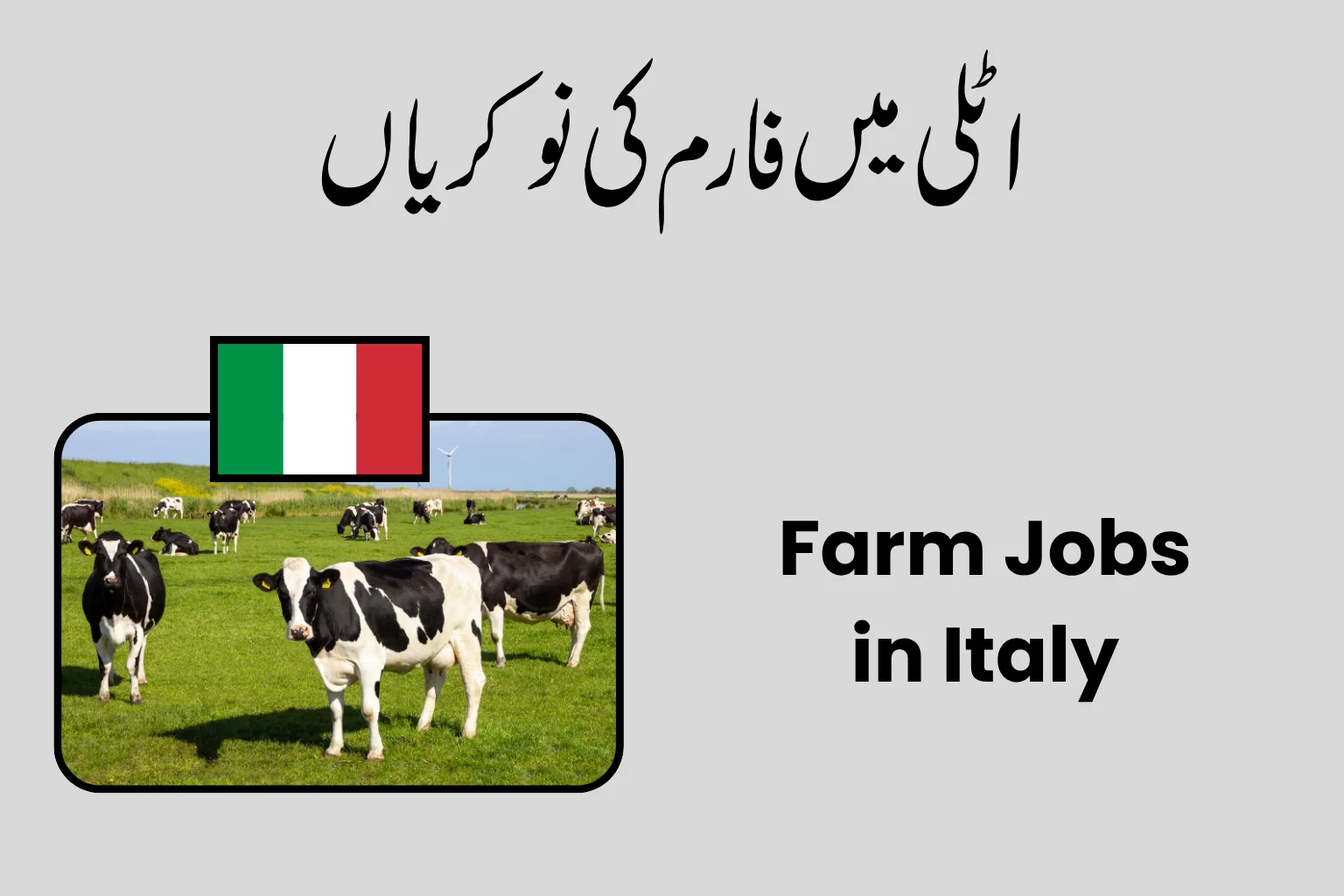
Farm jobs in Italy are one of the most common employment opportunities for foreign workers, especially in the agricultural sector. Italy is a major producer of fruits, vegetables, wine grapes, olives, and dairy products, and every year thousands of seasonal workers are needed during planting and harvesting seasons.
Because of labor shortages in rural areas, Italy actively hires foreign workers through legal systems such as the Decreto Flussi, which allows non-EU citizens to work in agriculture legally under seasonal permits.
In 2026, farm work continues to be one of the easiest entry-level job pathways for people who want to work in Europe without advanced qualifications.
Why Farm Jobs in Italy Are a Good Opportunity
1. High Demand for Seasonal Workers
Italy’s agriculture sector depends heavily on seasonal labor, especially during harvest seasons for tomatoes, grapes, olives, and vegetables. Many farms rely on foreign workers due to local labor shortages.
2. Legal Work Pathway for Foreigners
Foreign workers can enter Italy legally through government-approved quotas under Decreto Flussi, which allocates tens of thousands of seasonal agriculture permits each year.
3. No High Education Required
Most farm jobs do not require formal education or professional experience—only physical fitness and willingness to work.
4. Steady Seasonal Income
Even though it is seasonal work, farm jobs provide stable monthly wages with overtime during peak harvest periods.
5. Accommodation Support
Many employers provide:
- Free or low-cost housing
- Transport to fields
- Basic meals (in some cases)
Types of Farm Jobs in Italy
1. Fruit and Vegetable Picker
Responsibilities:
- Picking tomatoes, grapes, strawberries, olives
- Sorting produce in fields
- Handling crates for transport
Salary: €900 – €1,400 per month
2. Field Worker (General Farm Laborer)
Responsibilities:
- Planting seeds and crops
- Irrigation and watering
- Fertilizing soil
- Weeding fields
Salary: €1,000 – €1,500 per month
3. Greenhouse Worker
Responsibilities:
- Working in controlled environments
- Monitoring crop growth
- Harvesting vegetables like lettuce and peppers
Salary: €1,100 – €1,600 per month
4. Livestock Farm Worker
Responsibilities:
- Feeding animals
- Cleaning barns
- Assisting with dairy production
Salary: €1,100 – €1,700 per month
5. Farm Machinery Assistant
Responsibilities:
- Operating tractors (basic assistance)
- Transporting crops
- Supporting field operations
Salary: €1,200 – €1,800 per month
Average Salary of Farm Jobs in Italy
| Job Type | Monthly Salary | Notes |
|---|---|---|
| Fruit Picker | €900 – €1,300 | Seasonal work |
| Vegetable Worker | €1,000 – €1,500 | Entry-level |
| Greenhouse Worker | €1,100 – €1,600 | Stable environment |
| Livestock Worker | €1,100 – €1,700 | Animal care |
| Skilled Farm Worker | €1,300 – €1,800 | Machinery tasks |
Most workers also receive overtime pay during peak harvest seasons.
Eligibility Criteria
Basic Requirements:
- Minimum age: 18 years
- Good physical health
- Ability to work outdoors
- Willingness to do manual labor
Preferred Skills:
- Basic farming experience (optional)
- Ability to follow instructions
- Teamwork skills
Language:
- Italian is not required
- Basic communication skills are helpful
Required Documents
To apply for farm jobs in Italy, you need:
- Valid passport
- Updated CV
- Passport-size photos
- Work contract or job offer
- Work permit approval (Nulla Osta)
- Travel insurance
- Medical certificate (sometimes required)
Work Visa Requirements (Italy Farm Jobs)
Most foreign workers enter Italy under the Decreto Flussi seasonal work system, which controls the number of foreign workers allowed each year.
How It Works:
- Employer applies for work authorization
- Government issues approval (Nulla Osta)
- Worker applies for visa at embassy
- Entry into Italy
- Residence permit issued
👉 Agriculture is one of the main sectors included in the seasonal quota system.
How to Apply for Farm Jobs in Italy (Step-by-Step)
Step 1: Prepare Your CV
- Keep it simple
- Mention physical work experience
- Highlight reliability and stamina
Step 2: Search Job Portals
Use trusted websites:
- https://www.indeed.it
- https://it.indeed.com
- https://www.cliclavoro.gov.it
- https://www.linkedin.com/jobs
- https://www.agricoltura.it
Step 3: Apply to Employers
You can apply to:
- Farms directly
- Agricultural cooperatives
- Recruitment agencies
Step 4: Interview
- Basic interview (online or phone)
- Questions about experience and availability
Step 5: Work Permit Process
- Employer submits application for Nulla Osta
- Wait for approval under quota system
Step 6: Visa Application
- Submit documents at Italian embassy
- Attend visa interview
- Wait for approval
Step 7: Travel to Italy
- Enter Italy legally
- Start farm work under contract
Top Regions for Farm Jobs in Italy
- Puglia (vegetables, olives)
- Sicily (citrus fruits, vegetables)
- Emilia-Romagna (tomatoes, processing crops)
- Tuscany (vineyards, grapes)
- Veneto (mixed agriculture)
- Campania (vegetables, fruits)
Benefits of Farm Jobs in Italy
- Legal employment in Europe
- Easy entry requirements
- Stable seasonal income
- Accommodation support
- Opportunity to return every season
- Pathway to long-term EU work experience
Challenges of Farm Work
- Physically demanding labor
- Long working hours in hot weather
- Seasonal job availability
- Rural living conditions
Despite challenges, many workers return every year because of stable demand.
FAQs
1. Do I need experience for farm jobs in Italy?
No, most farm jobs are entry-level and provide training.
2. Can foreigners get farm jobs in Italy?
Yes, through the official Decreto Flussi system.
3. Is accommodation provided?
Many employers provide free or cheap housing for workers.
4. What is the average salary?
Around €900 to €1,600 per month depending on job and overtime.
5. Is Italian language required?
No, but basic Italian is helpful for daily communication.
6. How long is the contract?
Usually 3 to 9 months depending on crop season.
Conclusion
Farm jobs in Italy offer a practical and legal way for foreign workers to enter Europe and earn income in the agricultural sector. With high seasonal demand, simple requirements, and government-supported visa programs like Decreto Flussi, these jobs remain one of the most accessible opportunities in Italy.
If you are physically fit and ready for outdoor work, farm jobs in Italy can be a strong starting point for building your international career and gaining European work experience.
Now is the right time to prepare your documents, search for employers, and apply through legal channels to secure your opportunity in Italy’s growing agricultural industry.